آزمون آزمایشی آیلتسIELTS 19 - Test 3

  • ۳ بخش
  • ۷۶ سوال
  • ۱۵۰ دقیقه
ثبت‌نام و شروع آزمون

ثبت‌نام رایگان است و هر بخش مثل آزمون واقعی زمان‌بندی دارد.

این آزمون چه بخش‌هایی دارد

  • شنیداری۳۰ دقیقه

    Listening

    • Listening Part 1۱۰ سوال
    • Listening Part 2۱۰ سوال
    • Listening Part 3۱۰ سوال
    • Listening Part 4۱۰ سوال
    ۴۰ سوالهمراه فایل صوتی
  • خواندن۶۰ دقیقه

    Reading

    • Reading Passage 1۷ سوال
    • Reading Passage 2۱۳ سوال
    • Reading Passage 3۱۴ سوال
    ۳۴ سوال
  • نوشتاری۶۰ دقیقه

    Writing

    • Writing Task 1۱ سوال
    • Writing Task 2۱ سوال
    ۲ سوال

نمونه سوال‌ها

سوال‌های اول هر بخش را اینجا فقط می‌بینید. برای پاسخ دادن، آزمون را شروع کنید.

خواندنReading

Reading Passage 1

READING PASSAGE 1

Archaeologists discover evidence of prehistoric island settlers

In early April 2019, Dr Ceri Shipton and his colleagues from Australian National University became the first archaeologists to explore Obi, one of many tropical islands in Indonesia's Maluku Utara province. The research team's discoveries suggest that the prehistoric people who lived on Obi were adept on both land and sea. hunting in the dense rainforest, foraging on the seashore, and possibly even voyaging between islands.

The excavations were part Of a project to learn more about how people first dispersed from mainland Asia, through the Indonesian archipelago and into the prehistoric continent that once connected Australia and New Guinea. The team's earlier research suggested that the northernmost islands in the group, known as the Wallacean islands, including Obi, would have offered the easiest migration route. It also seemed likely that these islands were crucial 'stepping stones' on humans' island-hopping voyages through this region millennia ago. But to support this idea, they needed archaeological evidence for humans living in this remote area in the ancient past. so, they travelled to Obi to 100k for sites that might reveal evidence of early occupation.

Just inland from the village of Kelo on Obi's northern coast, Shipton and his colleagues found two caves containing prehistoric rock shelters that were suitable for excavation. With the permission and help of the loca people of Kelo, they dug a small test excavation in each shelter. There they found numerous artefacts, including fragments of axes, some dating to about 14,000 years ago. The earliest axes at Kelo were made using clam shells. Axes made from clam shells from roughly the same time had also previously been found elsewhere in this region, including on the nearby island of Gebe to the northeast. As on Gebe, it is highly likely that Obi's axes were used in the construction of canoes, thus allowing these early peoples to maintain connections between communities on neighbouring islands.

The oldest cultural layers from the Kelo site provided the team with the earliest record for human occupation on Obi, dating back around 18,000 years. At this time the climate was drier and colder than today. and the island's dense rainforests would likely have been much less impenetrable than they are now. Sea levels were about 120 metres lower, meaning Obi was a much larger island, encompassing what is today the separate island of Bisa, as well as several other small islands nearby.

Roughly 11 , 700 years ago, as the most recent ice age ended, the climate became significantly warmer and wetter, no doubt making Obi's jungle much thicker. According to the researchers, it is no coincidence that around this time the first axes crafted from stone rather than sea shells appear, likely in response to their heavy-duty use for clearing and modification of the increasingly dense rainforest. While stone takes about twice as long to grind into an axe compared to shell, the harder material keeps its sharp edge for longer.

Judging by the bones which the researchers unearthed in the Kelo caves, people living there mainly hunted the Rothschild's cuscus, a possum-like creature that still lives on Obi today. As the forest grew more dense, people probably used axes to clear patches Of forest and make hunting easier.

Shipton's team's excavation of the shelters at the Kelo site unearthed a volcanic glass substance called obsidian, which must have been brought over from another island, as there is no known source on Obi. It also revealed particular types of beads, similar to those previously found on islands in southern Wallacea. These finds again support the idea that Obi islanders routinely travelled to other islands.

The excavations suggest people successfully lived in the two Kelo shelters for about 10,000 years. But then, about 8,000 years ago, both were abandoned. Did the residents leave Obi completely, or move elsewhere on the island? Perhaps the jungle had grown so thick that axes were no longer a match for the dense undergrowth. Perhaps people simply moved to the coast and turned to fishing rather than hunting as a means Of survival.

Whatever the reason for the departure. there is no evidence for use of the Kelo shelters after this time, until about 1 ,000 years ago, when they were re-occupied by people who owned pottery as well as items made out of gold and silver. It seems likely, in view of Obi's location, that this final phase of occupation also saw the Kelo shelters used by people involved in the historic trade in spices between the Maluku islands and the rest Of the world.
Questions 8—13

Complete the notes below.

Choose ONE WORD ONLY from the passage for each answer.

Write your answers in boxes 8 - 13 on your answer sheet.

Archaeological findings on Obi

Excavations of rock shelters inside [caves] near the village of kelo revealed:

  • axes from around 14,000 years ago, probably used to make canoes

  • axes made out of [stone]. dating from around 11 ,700 years ago

  • [bones] of an animal: evidence of what ancient islanders ate

  • evidence of travel between islands:

    • obsidian: a material that is not found naturally on Obi

    • [beads] which resembled ones found on other islands.


It is thought that from 8,000 years ago, Obi islanders:

  • may have switched from hunting to fishing

  • had [pottery] as well as items made out of metal

  • probably took part in the production and sale Of [spices]

۱

Archaeological research had taken place on the island of Obi before the arrival of Ceri Shipton and his colleagues.


فقط یک گزینه را انتخاب کنید.

  • ATRUE
  • BFALSE
  • CNOT GIVEN
۲

At the Kelo sites, the researchers found the first clam shell axes ever to be discovered in the region.


فقط یک گزینه را انتخاب کنید.

  • ATRUE
  • BFALSE
  • CNOT GIVEN
۳

The size Of Obi today is less than it was 18,000 years ago.


فقط یک گزینه را انتخاب کنید.

  • ATRUE
  • BFALSE
  • CNOT GIVEN
۴

A change in the climate around 11 , 700 years ago had a greater impact on Obi than on the surrounding islands.


فقط یک گزینه را انتخاب کنید.

  • ATRUE
  • BFALSE
  • CNOT GIVEN
۵

The researchers believe there is a connection between warmer. wetter weather and a change in the material used to make axes.


فقط یک گزینه را انتخاب کنید.

  • ATRUE
  • BFALSE
  • CNOT GIVEN

بقیه سوال‌ها در خود آزمون است

۵ سوال از ۷ سوال این صفحه را دیدید. آزمون را شروع کنید تا به همه آن‌ها با زمان‌بندی پاسخ دهید و نمره باند بگیرید.

ثبت‌نام و شروع آزمون

نمونه سوال بخش‌های دیگر

شنیداریListening

فایل صوتی این بخش فقط هنگام دادن آزمون پخش می‌شود.

Listening Part 1

Questions 1—6

Complete the notes below.

write ONE WORD AND/OR A NUMBER for each answer.

۱–۶

1 - 6

Local food shops

Where to go

  • Kite Place — near the

Fish market

  • cross the and turn right

  • best to go before pm, earlier than closing time

Organic shop

  • called

  • below a restaurant in the large, grey building

  • look for the large outside

Supermarket

  • take a minibus, number 289


بقیه سوال‌ها در خود آزمون است

۶ سوال از ۱۰ سوال این صفحه را دیدید. آزمون را شروع کنید تا به همه آن‌ها با زمان‌بندی پاسخ دهید و نمره باند بگیرید.

ثبت‌نام و شروع آزمون
نوشتاریWriting

Writing Task 1

WRITING TASK 1

You should spend about 20 minutes on this task.


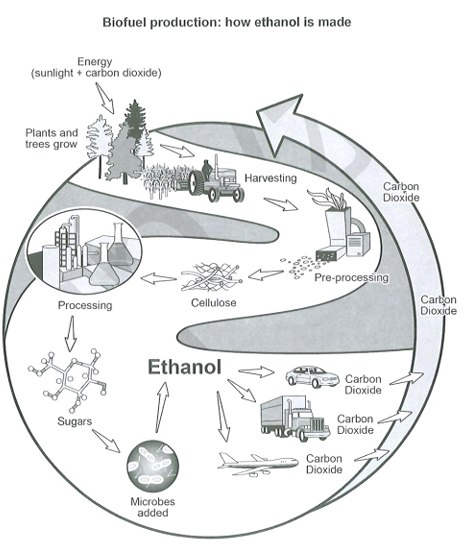
The diagram below shows how a biofuel called ethanol is produced. Summarise the information by selecting and reporting the main features, and make comparisons where relevant.


Write at least 150 words.


image.png
۱

WRITING TASK 1


دست‌کم ۱۵۰ واژه بنویسید.

بقیه سوال‌ها در خود آزمون است

۱ سوال از ۱ سوال این صفحه را دیدید. آزمون را شروع کنید تا به همه آن‌ها با زمان‌بندی پاسخ دهید و نمره باند بگیرید.

ثبت‌نام و شروع آزمون

درباره این آزمون

دانلود Cambridge IELTS 19 Academic Test 3

Cambridge IELTS 19 Academic Test 3 یکی از چهار آزمون کامل مجموعه Cambridge IELTS 19 است و گزینه‌ای مناسب برای زبان‌آموزانی است که می‌خواهند با ساختار و سبک سؤالات آزمون IELTS Academic تمرین کنند.

این تست شامل بخش‌های Listening، Reading، Writing و Speaking است و می‌تواند برای ارزیابی سطح، تمرین مدیریت زمان و شناسایی نقاط ضعف در مهارت‌های مختلف زبان انگلیسی مورد استفاده قرار گیرد.

چرا Cambridge IELTS 19 Test 3؟

تمرین با تست‌های کمبریج به شما کمک می‌کند با انواع سؤالات آیلتس آشنا شوید و مهارت خود را در شرایطی نزدیک به آزمون واقعی بررسی کنید. پس از حل Test 3 نیز بهتر است پاسخ‌های اشتباه خود را تحلیل کنید تا نقاط ضعف خود را بهتر بشناسید.

اگر به دنبال دانلود کتاب کمبریج آیلتس Cambridge IELTS 19 Academic Test 3 یا یک نمونه تست استاندارد برای تمرین IELTS Academic هستید، این آزمون می‌تواند بخشی مفید از برنامه آمادگی شما باشد.

کلمات کلیدی: Cambridge IELTS 19 Test 3، Cambridge IELTS 19 Academic، دانلود Cambridge IELTS 19، دانلود Test 3 آیلتس، نمونه تست IELTS Academic

آزمون‌های آزمایشی دیگر

همه آزمون‌ها

آماده‌اید کل آزمون را بدهید؟

هر بخش با زمان‌بندی خودش اجرا می‌شود و نمره باند لیسنینگ و ریدینگ را همان لحظه که آزمون را تمام کنید می‌گیرید.

ثبت‌نام و شروع آزمون