آزمون آزمایشی آیلتسCambridge IELTS 19 academic Test 1

  • ۳ بخش
  • ۸۲ سوال
  • ۳۰ دقیقه
ثبت‌نام و شروع آزمون

ثبت‌نام رایگان است و هر بخش مثل آزمون واقعی زمان‌بندی دارد.

این آزمون چه بخش‌هایی دارد

  • شنیداری۳۰ دقیقه

    Listening

    • Cambridge IELTS 19 academicTest 1 · Listening Part 1۱۰ سوال
    • Cambridge IELTS 19 academic Test 1 · Listening Part 2۱۰ سوال
    • Cambridge IELTS 19 academic Test 1 · Listening Part 3۱۰ سوال
    • Cambridge IELTS 19 academic Listening Part 4۱۰ سوال
    ۴۰ سوالهمراه فایل صوتی
  • خواندنبدون محدودیت زمان

    Reading

    • Cambridge IELTS 19 - Reading 1۱۳ سوال
    • Cambridge IELTS 19 - Reading 2۱۳ سوال
    • Cambridge IELTS 19 - Reading 3۱۴ سوال
    ۴۰ سوال
  • نوشتاریبدون محدودیت زمان

    Writing

    • Cambridge IELTS 19 - Test 1 - Writing Task 1۱ سوال
    • Cambridge IELTS 19 - Test 1 - Writing Task 2۱ سوال
    ۲ سوال

نمونه سوال‌ها

سوال‌های اول هر بخش را اینجا فقط می‌بینید. برای پاسخ دادن، آزمون را شروع کنید.

خواندنReading

Cambridge IELTS 19 - Reading 1

READING PASSAGE 1

You should spend about 20 minutes on Questions 1—13, which are based on Reading Passage 1 below.

How tennis rackets have changed

In 2016, the British professional tennis player Andy Murray was ranked as the world’s number one. It was an incredible achievement by any standard—made even more remarkable by the fact that he did this during a period considered to be one of the strongest in the sport’s history, competing against the likes of Rafael Nadal, Roger Federer, and Novak Djokovic, to name just a few. Yet five years previously, he had been regarded as a talented outsider who entered but never won the major tournaments.

Of the changes that account for this transformation, one was visible and widely publicised: in 2011, Murray invited former number one player Ivan Lendl onto his coaching team—a valuable addition that had a visible impact on the player’s playing style. Another change was so subtle as to pass more or less unnoticed. Like many players, Murray has long preferred a racket that consists of two types of string: one for the mains (verticals) and another for the crosses (horizontals). While he continued to use natural string in the crosses, in 2012 he switched to a synthetic string for the mains. A small change, perhaps, but its importance should not be underestimated.

The modification that Murray made is just one of a number of options available to players looking to tweak their rackets in order to improve their games. “Touring professionals have their rackets customised to their specific needs,” says Colin Triplow, a UK-based professional racket stringer. “It’s a highly important part of performance maximisation.” Consequently, the specific rackets used by the world’s elite are not actually readily available to the public; rather, each racket is individually made to suit the player who uses it. Take the US professional tennis players Mike and Bob Bryan, for example: “We’re very particular with our racket specifications,” they say. “All our rackets are sent from our manufacturer to Tampa, Florida, where our frames go through a thorough customisation process.” They explain how they have adjusted not only racket length, but even experimented with different kinds of paint. The rackets they use now weigh more than the average model and also have a denser string pattern (i.e. more crosses and mains).

The primary reason for these modifications is simple: as the line between winning and losing becomes thinner and thinner, even these slight changes become more and more important. As a result, players and their teams are becoming increasingly creative with the modifications to their rackets as they look to maximise their competitive advantage.

Racket modifications mainly date back to the 1970s, when the amateur German tennis player Werner Fischer started playing with the so-called spaghetti-strung racket. It created a string bed that generated so much topspin that it was quickly banned by the International Tennis Federation. However, within a decade or two, racket modification became a regularity. Today it is, in many ways, an aspect of the game that is equal in significance to nutrition or training.

Modifications can be divided into two categories: those to the string bed and those to the racket frame. The former is far more common than the latter: the choice of the strings and the tension with which they are installed is something that nearly all professional players experiment with. They will continually change it depending on various factors including the court surface, climatic conditions, and game styles. Some will even change it depending on how they feel at the time.

At one time, all tennis rackets were strung with natural gut made from the outer layer of sheep or cow intestines. This all changed in the early 1990s with the development of synthetic strings that were cheaper and more durable. They are made from three materials: nylon (relatively durable and affordable), Kevlar (too stiff to be used alone), or co-polyester (polyester combined with additives that enhance its performance). Even so, many professional players continue to use a “hybrid set-up”, where a combination of both synthetic and natural strings are used.

Of the synthetics, co-polyester is by far the most widely used. It’s a perfect fit for the style of tennis now played, where players tend to battle it out from the back of the court rather than coming to the net. Studies indicate that the average spin from a co-polyester string is 25% greater than that from natural string or other synthetics. In a sense, the development of co-polyester strings has revolutionised the game.

However, many players go beyond these basic adjustments to the strings and make changes to the racket frame itself. For example, much of the serving power of US professional player Pete Sampras was attributed to the addition of four to five lead weights onto his rackets, and today many professionals have the weight adjusted during the manufacturing process.

Other changes to the frame involve the handle. Players have individual preferences for the shape of the handle and some will have the handle of one racket moulded onto the frame of a different racket. Other players make different changes. The professional Portuguese player Gonçalo Oliveira replaced the original grips of his rackets with something thinner because they had previously felt uncomfortable to hold.

Racket customisation and modification have pushed the standards of the game to greater levels that few could have anticipated in the days of natural strings and heavy, wooden frames, and it’s exciting to see what further developments there will be in the future.


۱

People had expected Andy Murray to become the world's top tennis player for at least five years before 2016.


فقط یک گزینه را انتخاب کنید.

  • ATRUE
  • BFALSE
  • CNOT GIVEN
۲

The change that Andy Murray made to his rackets attracted a lot of attention.


فقط یک گزینه را انتخاب کنید.

  • ATRUE
  • BFALSE
  • CNOT GIVEN
۳

Most of the world's top players take a professional racket stringer on tour with them.


فقط یک گزینه را انتخاب کنید.

  • ATRUE
  • BFALSE
  • CNOT GIVEN
۴

Mike and Bob Bryan use rackets that are light in comparison to the majority of rackets


فقط یک گزینه را انتخاب کنید.

  • ATRUE
  • BFALSE
  • CNOT GIVEN
۵

Werner Fischer played with a spaghetti-strung racket that he designed himself.


فقط یک گزینه را انتخاب کنید.

  • ATRUE
  • BFALSE
  • CNOT GIVEN

بقیه سوال‌ها در خود آزمون است

۵ سوال از ۱۳ سوال این صفحه را دیدید. آزمون را شروع کنید تا به همه آن‌ها با زمان‌بندی پاسخ دهید و نمره باند بگیرید.

ثبت‌نام و شروع آزمون

نمونه سوال بخش‌های دیگر

شنیداریListening

فایل صوتی این بخش فقط هنگام دادن آزمون پخش می‌شود.

Cambridge IELTS 19 academicTest 1 · Listening Part 1

Questions 1-10

Questions I—IO
Complete the notes below.
Wtite ONE WORD AND/OR A NUMBER for each answer.

۱–۱۰

Questions 1-10

Hinchingbrooke Country Park

The park

Area: 1 hectares

Habitats: wetland, grassland and woodland

Wetland: lakes, ponds and a 2

Wildlife includes birds, insects and animals

Subjects studied in educational visits include

  • Science: Children look at 3 about plants, etc.

  • Geography: includes learning to use a 4 and compass

  • History: changes in land use

  • Leisure and tourism: mostly concentrates on the park’s 5

  • Music: Children make 6 with natural materials, and experiment with rhythm and speed.

Benefits of outdoor educational visits

  • They give children a feeling of 7 that they may not have elsewhere.

  • Children learn new 8 and gain self-confidence.

Practical issues

Cost per child: 9 £

Adults, such as 10 , free

بقیه سوال‌ها در خود آزمون است

۱۰ سوال از ۱۰ سوال این صفحه را دیدید. آزمون را شروع کنید تا به همه آن‌ها با زمان‌بندی پاسخ دهید و نمره باند بگیرید.

ثبت‌نام و شروع آزمون
نوشتاریWriting

Cambridge IELTS 19 - Test 1 - Writing Task 1

You should spend about 20 minutes on this task.

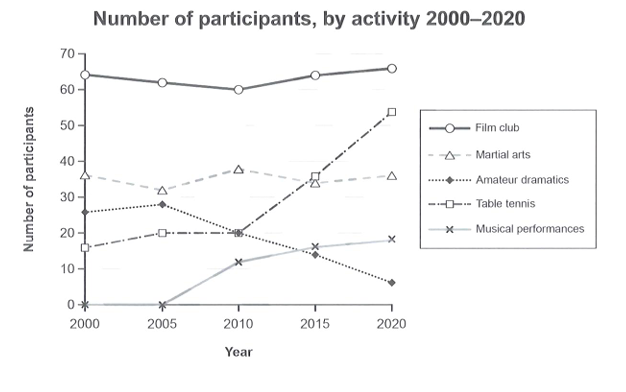
The graph below gives information on the numbers of participants for different activities at one social centre in Melbourne, Australia for the period 2000 to 2020.

Summarise the information by selecting and reporting the main features, and make comparisons where relevant.


image.png


۱

WRITING TASK 1

Write at least 150 words.

دست‌کم ۱۵۰ واژه بنویسید.

بقیه سوال‌ها در خود آزمون است

۱ سوال از ۱ سوال این صفحه را دیدید. آزمون را شروع کنید تا به همه آن‌ها با زمان‌بندی پاسخ دهید و نمره باند بگیرید.

ثبت‌نام و شروع آزمون

درباره این آزمون

دانلود Cambridge IELTS 19 Academic Test 1 + معرفی کامل آزمون

اگر برای آزمون IELTS Academic آماده می‌شوید، مجموعه Cambridge IELTS یکی از منابع مهم برای آشنایی با ساختار واقعی آزمون و تمرین با نمونه تست‌های استاندارد است. کتاب Cambridge IELTS 19 Academic که در سال ۲۰۲۴ منتشر شده، شامل چهار آزمون کامل Academic به همراه پاسخ‌ها، فایل‌های صوتی Listening، و منابع تکمیلی برای تمرین است.

در این صفحه می‌توانید با Cambridge IELTS 19 Academic Test 1 بیشتر آشنا شوید، ساختار بخش‌های مختلف آن را بررسی کنید و برای تمرین هدفمند IELTS از آن استفاده کنید.

Cambridge IELTS 19 Academic Test 1 چیست؟

Cambridge IELTS 19 Academic Test 1 یکی از چهار آزمون کامل موجود در کتاب Cambridge IELTS 19 Academic است. این تست مجموعه‌ای از بخش‌های Listening، Reading، Writing و Speaking را در قالب آزمون Academic در اختیار زبان‌آموز قرار می‌دهد.

مزیت اصلی استفاده از تست‌های کمبریج این است که زبان‌آموز می‌تواند با ساختار سؤال‌ها، سطح متون، نحوه طرح سؤال و مدیریت زمان در آزمون آیلتس آشنا شود و تمرین خود را به شرایط آزمون واقعی نزدیک‌تر کند. Cambridge نیز این مجموعه را به‌عنوان آزمون‌های معتبر برای آشنایی با فرمت Academic و تمرین تکنیک‌های آزمون معرفی می‌کند.


بخش Listening در Cambridge IELTS 19 Test 1

بخش Listening این تست شامل ۴ قسمت و ۴۰ سؤال است و مهارت شنیداری، درک اطلاعات و توانایی تشخیص جزئیات را بررسی می‌کند. ساختار Listening در آزمون IELTS به‌گونه‌ای است که بخش‌ها به‌تدریج دشوارتر می‌شوند.

Part 1

در بخش اول، یک مکالمه درباره Hinchingbrooke Country Park مطرح می‌شود. موضوع مکالمه درباره برنامه‌ریزی یک بازدید آموزشی از این پارک و اطلاعات مربوط به محیط آن است.

در این قسمت زبان‌آموز باید اطلاعاتی مانند عدد، نام یا کلمه مناسب را از فایل صوتی استخراج کند. یکی از مهارت‌های مهم مورد نیاز در این قسمت، تشخیص دقیق اطلاعات و توجه به تغییرات یا اصلاحات در صحبت گوینده است.

Part 2

بخش دوم درباره Stanthorpe Twinning Association و Farley House است و از ترکیبی از سؤال‌های چندگزینه‌ای و سؤال‌های مرتبط با موقعیت یا نقشه استفاده می‌کند.

Part 3

در Part 3 موضوع گفتگو به روندهای غذایی و پروژه‌ای درباره استفاده مجدد از نان مربوط می‌شود. این بخش برای تمرین درک گفت‌وگوی چندنفره و دنبال کردن چند دیدگاه مختلف مناسب است.

Part 4

در بخش چهارم، یک سخنرانی درباره Céide Fields، یک محوطه باستان‌شناسی متعلق به دوران نوسنگی در شمال‌غرب ایرلند، ارائه می‌شود. این قسمت نمونه خوبی برای تمرین Listening در یک فضای آکادمیک است؛ جایی که اطلاعات به‌صورت پیوسته و با جزئیات بیشتری ارائه می‌شوند.


بخش Reading؛ سه متن آکادمیک برای تمرین جدی

Reading Test 1 شامل ۳ متن و ۴۰ سؤال است. متن‌های Academic برای زبان‌آموزانی طراحی شده‌اند که قصد دارند در محیط دانشگاهی یا حرفه‌ای از زبان انگلیسی استفاده کنند.

Reading Passage 1: تغییرات راکت تنیس

اولین متن درباره تغییرات و پیشرفت راکت‌های تنیس و تأثیر برخی تغییرات فنی بر عملکرد بازیکنان است. سؤال‌های این بخش ترکیبی از True/False/Not Given و تکمیل اطلاعات هستند و توانایی زبان‌آموز را در پیدا کردن اطلاعات مشخص و تشخیص تفاوت میان اطلاعات متن و ادعاهای سؤال بررسی می‌کنند.

Reading Passage 2: دزدان دریایی مدیترانه باستان

متن دوم به موضوع دزدی دریایی در دریای مدیترانه در دوران باستان می‌پردازد و نقش دزدان دریایی و واکنش حکومت‌های آن دوره، به‌ویژه روم، را بررسی می‌کند.

در این قسمت سؤال‌هایی مانند Matching Information، انتخاب چند پاسخ و تکمیل جمله دیده می‌شود؛ بنابراین علاوه بر سرعت خواندن، پیدا کردن اطلاعات کلیدی و تشخیص ارتباط میان پاراگراف‌ها اهمیت زیادی دارد.

Reading Passage 3: تداوم و خطر اطلاعات نادرست

متن سوم درباره Misinformation یا اطلاعات نادرست و نحوه برخورد انسان با اطلاعات نادرست است. این Passage موضوعی روز و آکادمیک دارد و از زبان‌آموز می‌خواهد علاوه بر پیدا کردن اطلاعات، استدلال نویسنده و ارتباط میان ایده‌ها را نیز درک کند.

در بخش پایانی این متن، سؤال‌های YES/NO/NOT GIVEN مطرح می‌شوند که برای بسیاری از زبان‌آموزان جزو سؤال‌های چالش‌برانگیز Reading محسوب می‌شوند.


Writing Test 1؛ یک نمونه مهم برای تمرین Task 1 و Task 2

Writing Test 1 شامل دو بخش است و مانند ساختار استاندارد IELTS Academic، داوطلب باید هر دو Task را انجام دهد. Task 1 حداقل ۱۵۰ کلمه و Task 2 حداقل ۲۵۰ کلمه دارد و Task 2 وزن بیشتری در نمره Writing دارد.

Writing Task 1

در Task 1 این تست، یک Line Graph درباره تعداد شرکت‌کنندگان در فعالیت‌های مختلف یک مرکز اجتماعی در شهر ملبورن استرالیا طی سال‌های ۲۰۰۰ تا ۲۰۲۰ ارائه شده است.

این سؤال فرصت خوبی برای تمرین موارد زیر فراهم می‌کند:

مقایسه داده‌ها، شناسایی روندها، بیان افزایش و کاهش، انتخاب ویژگی‌های اصلی و نوشتن Overview مناسب.

یکی از اشتباهات رایج در Task 1 این است که داوطلب تلاش می‌کند تمام اعداد موجود در نمودار را در متن خود بیاورد، در حالی که هدف اصلی، انتخاب و گزارش مهم‌ترین ویژگی‌ها و مقایسه مناسب داده‌هاست.

Writing Task 2

موضوع Task 2 درباره رقابت و همکاری در محیط کار، مدرسه و زندگی روزمره است. داوطلب باید دیدگاه‌های مختلف را بررسی کرده و نظر خود را ارائه کند.

این نوع سؤال برای تمرین ساختار Discussion Essay بسیار مناسب است و به زبان‌آموز کمک می‌کند مهارت‌های خود را در زمینه بیان نظر، توسعه ایده، استفاده از مثال و ایجاد ارتباط منطقی میان پاراگراف‌ها تقویت کند.


Cambridge IELTS 19 Test 1 برای چه کسانی مناسب است؟

این تست برای زبان‌آموزانی مناسب است که می‌خواهند قبل از آزمون IELTS Academic با یک نمونه آزمون کامل و استاندارد تمرین کنند.

همچنین می‌توانید از آن برای موارد زیر استفاده کنید:

تعیین سطح تقریبی عملکرد خود در Reading و Listening

تمرین مدیریت زمان در شرایط نزدیک به آزمون

شناخت انواع سؤال‌های IELTS

بررسی نقاط ضعف در Reading و Listening

تمرین Writing Task 1 و Task 2

تقویت مهارت تشخیص Paraphrase و کلمات کلیدی

آشنایی بیشتر با موضوعات آکادمیک مورد استفاده در IELTS


چگونه از Cambridge IELTS 19 Academic Test 1 بهترین استفاده را ببریم؟

صرفاً حل کردن تست و مشاهده پاسخ‌ها، بیشترین فایده را برای زبان‌آموز ایجاد نمی‌کند. بهتر است ابتدا آزمون را دقیقاً مانند شرایط امتحان انجام دهید.

برای Reading، زمان را به‌صورت واقعی کنترل کنید و تلاش کنید پاسخ‌ها را بدون استفاده از دیکشنری پیدا کنید. پس از پایان آزمون، فقط به تعداد جواب‌های درست نگاه نکنید؛ بررسی کنید چرا یک سؤال را اشتباه پاسخ داده‌اید.

در Listening نیز ابتدا فایل صوتی را بدون توقف گوش دهید و پاسخ‌ها را ثبت کنید. سپس اشتباهات خود را بررسی کنید و مشخص کنید مشکل شما ناشی از تلفظ، سرعت صحبت کردن، عدم توجه به کلمات کلیدی، املا یا درک مفهوم بوده است.

در Writing بهتر است هر دو Task را با زمان‌بندی واقعی بنویسید. بعد از اتمام کار، ساختار، گرامر، واژگان، انسجام و میزان پاسخ‌گویی به سؤال را بررسی کنید.


آزمون‌های آزمایشی دیگر

همه آزمون‌ها

آماده‌اید کل آزمون را بدهید؟

هر بخش با زمان‌بندی خودش اجرا می‌شود و نمره باند لیسنینگ و ریدینگ را همان لحظه که آزمون را تمام کنید می‌گیرید.

ثبت‌نام و شروع آزمون